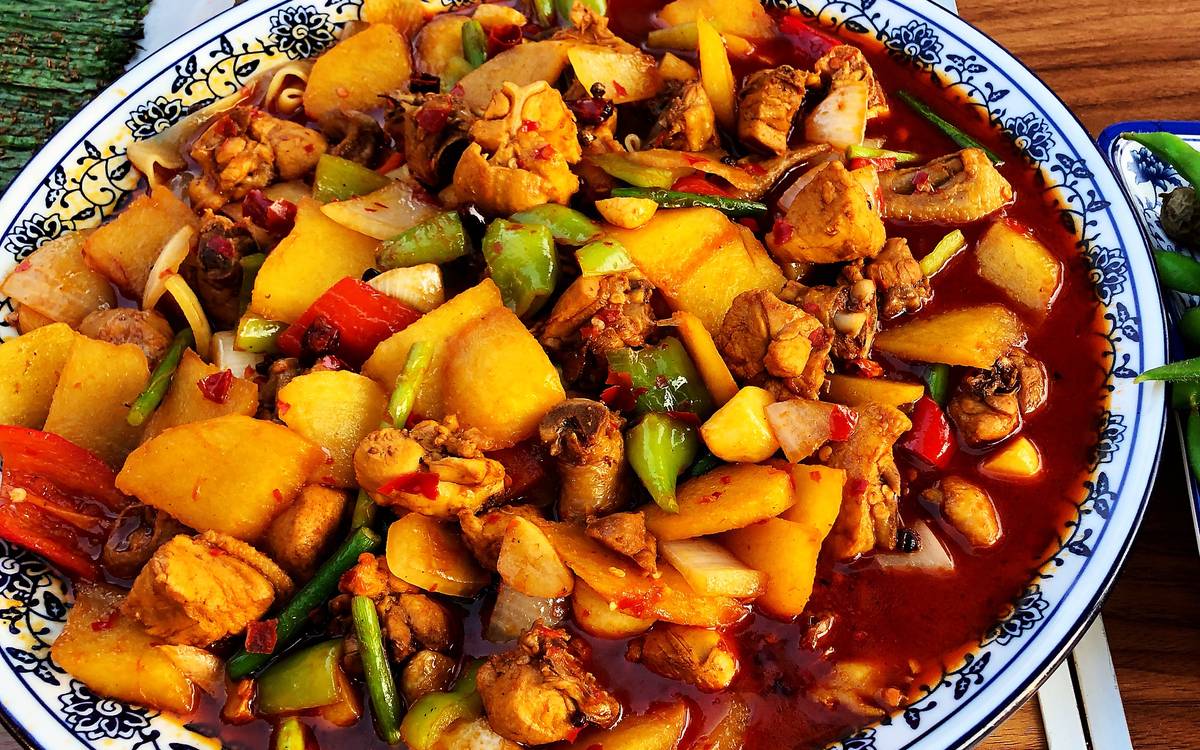
Big-Plate Chicken: The Dish That Won't Fit on Your Table
A whole chicken braised dark red with potato wedges and dried chilies, served on a plate wider than the table — Xinjiang's roadside dish, finished with belt noodles dragged through the sauce.
Stories, practical guides, and honest opinions about the food and drinks China actually lives by. From a Shanghai native who spent 13 years in big tech and came home to the kitchen.
Explore the 109 Dishes of China →88 of 109 dishes published — a visual journey through China's most iconic dishes
A whole chicken braised dark red with potato wedges and dried chilies, served on a plate wider than the table — Xinjiang's roadside dish, finished with belt noodles dragged through the sauce.
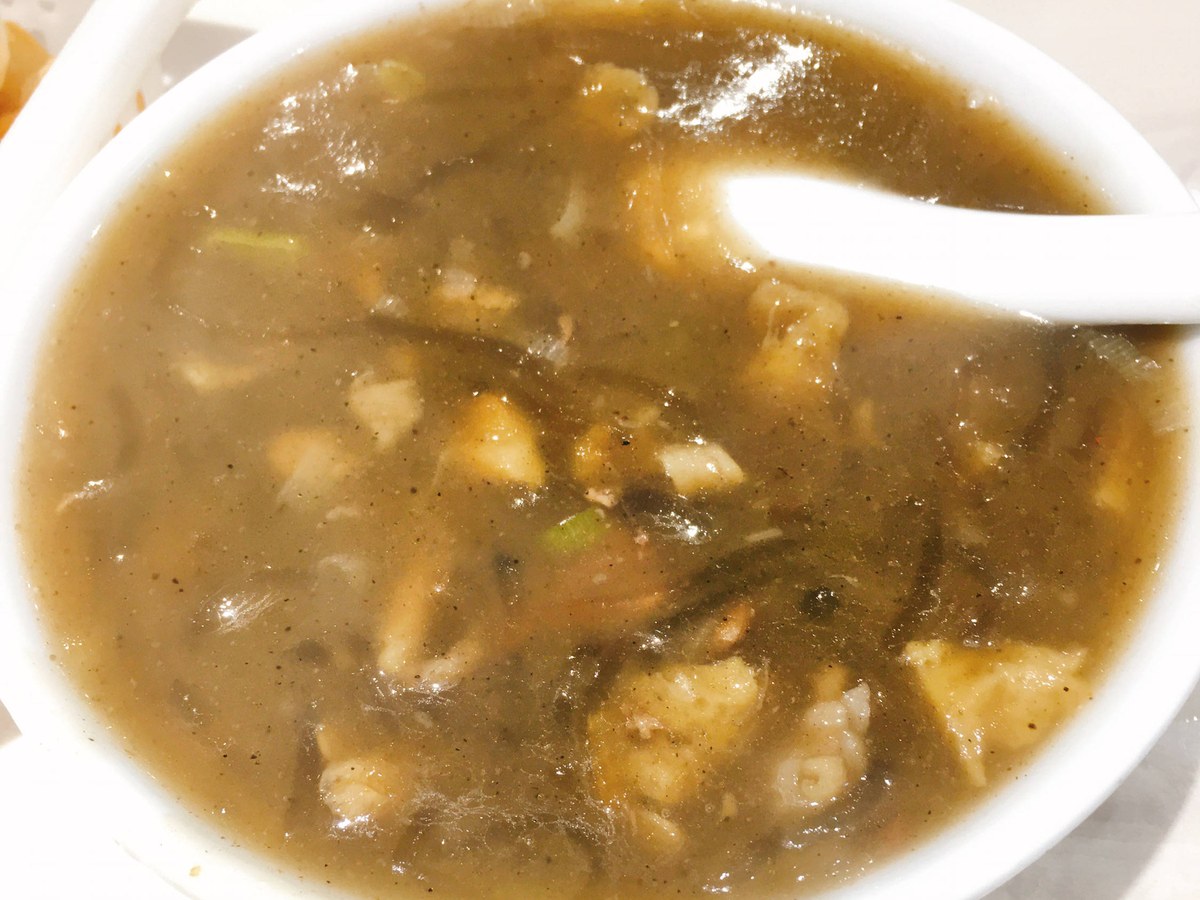
A brown, glue-thick bowl of beef broth and black pepper that Henan drinks at five in the morning — and nothing like the hot and sour soup you are picturing.
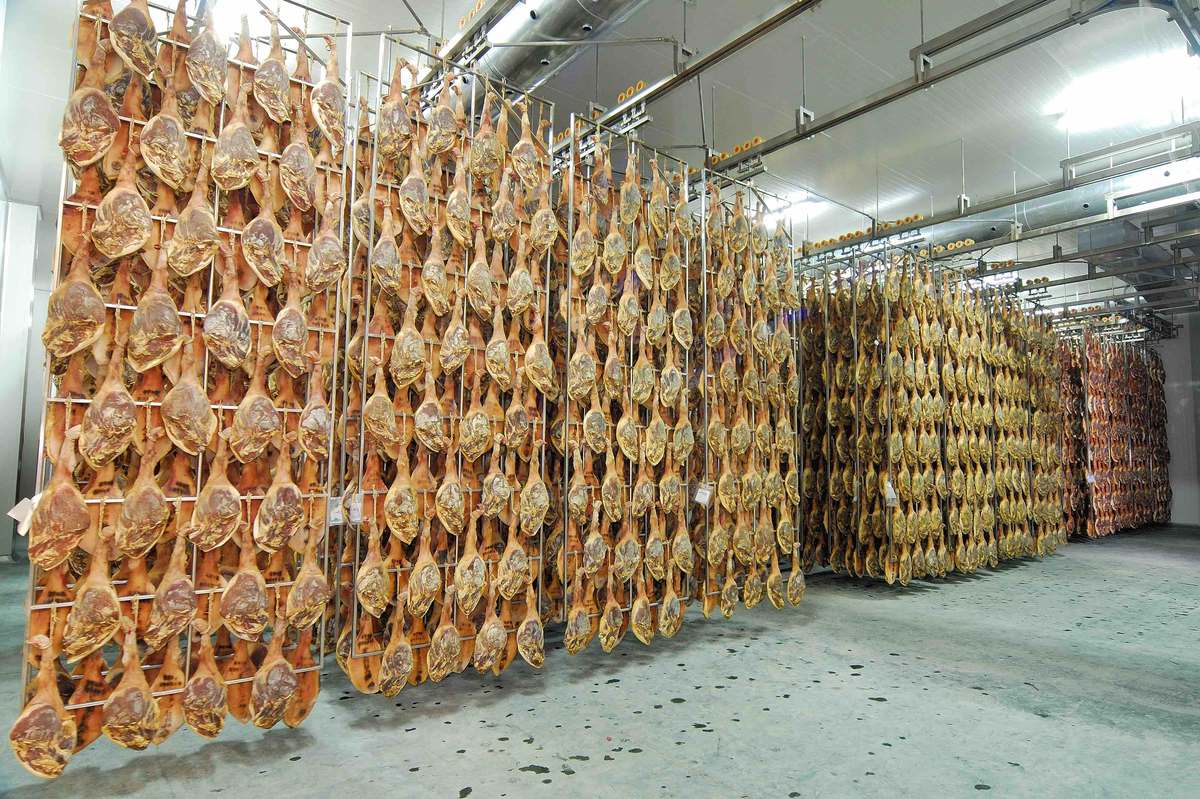
A rock-hard leg of pork, salted seven times and hung through two summers until the meat turns garnet red — one shaving perfumes a whole pot of soup.
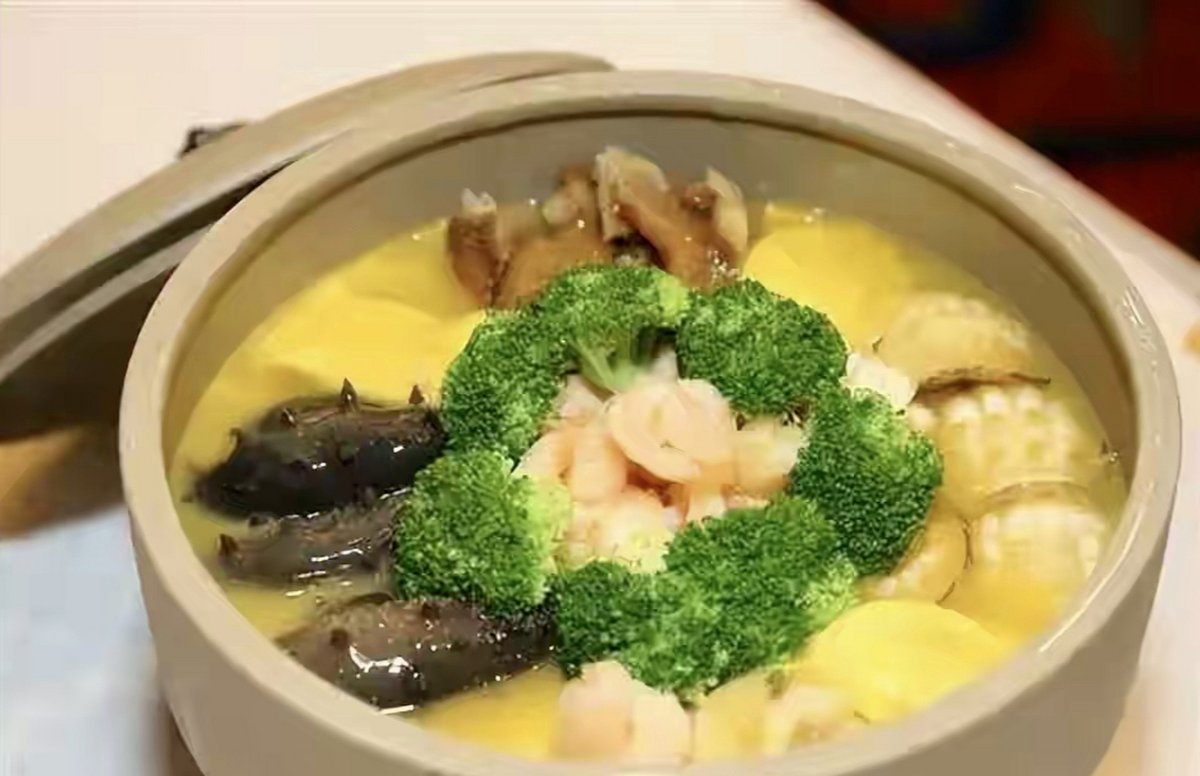
Ham and dried scallop steam rising off a clay pot of sea cucumber and fish maw, and the story of how America borrowed the name, invented the gloop, and left the real dish on the table.
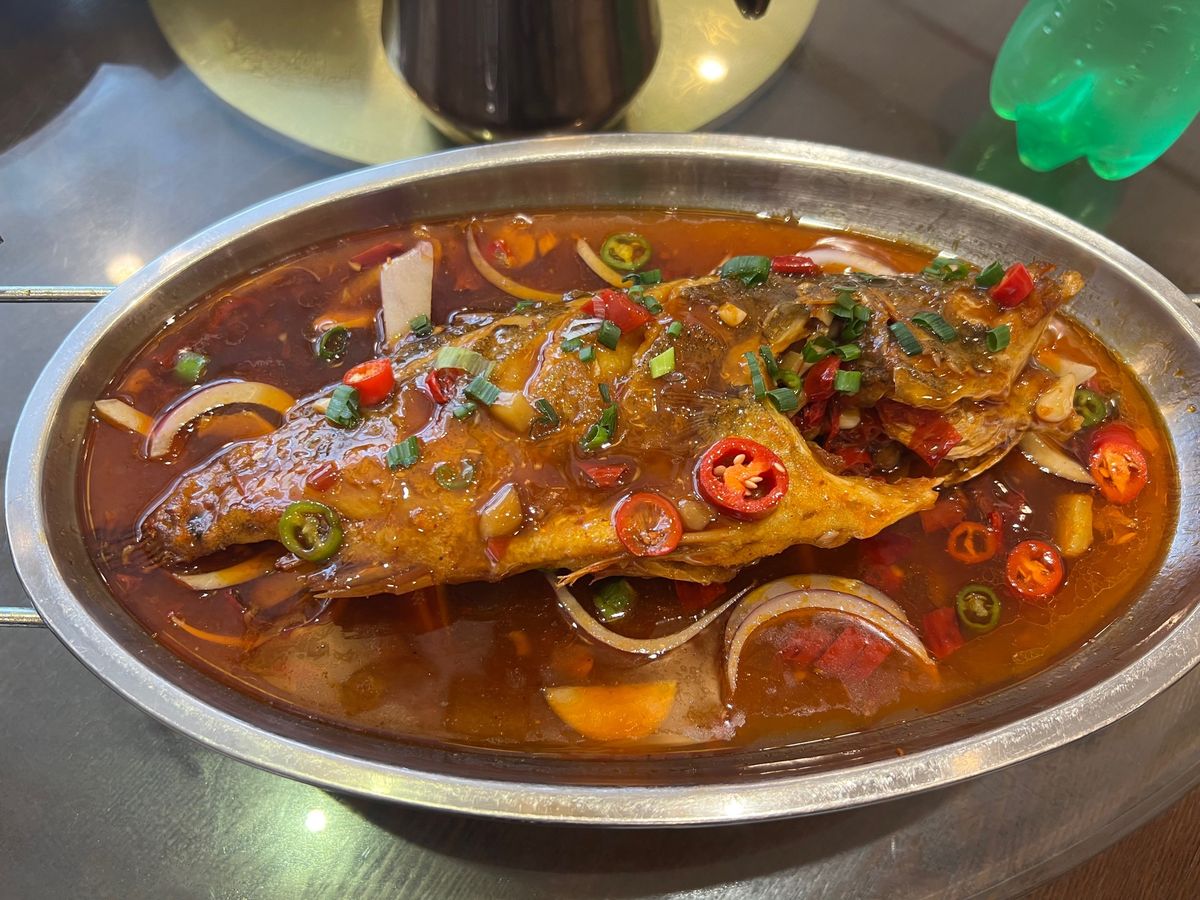
Ammonia and paste, or firm flesh that flakes into garlic cloves — the difference is a wooden barrel and a week of cold, and it is the whole reason Anhui's stinky mandarin fish is worth the smell.
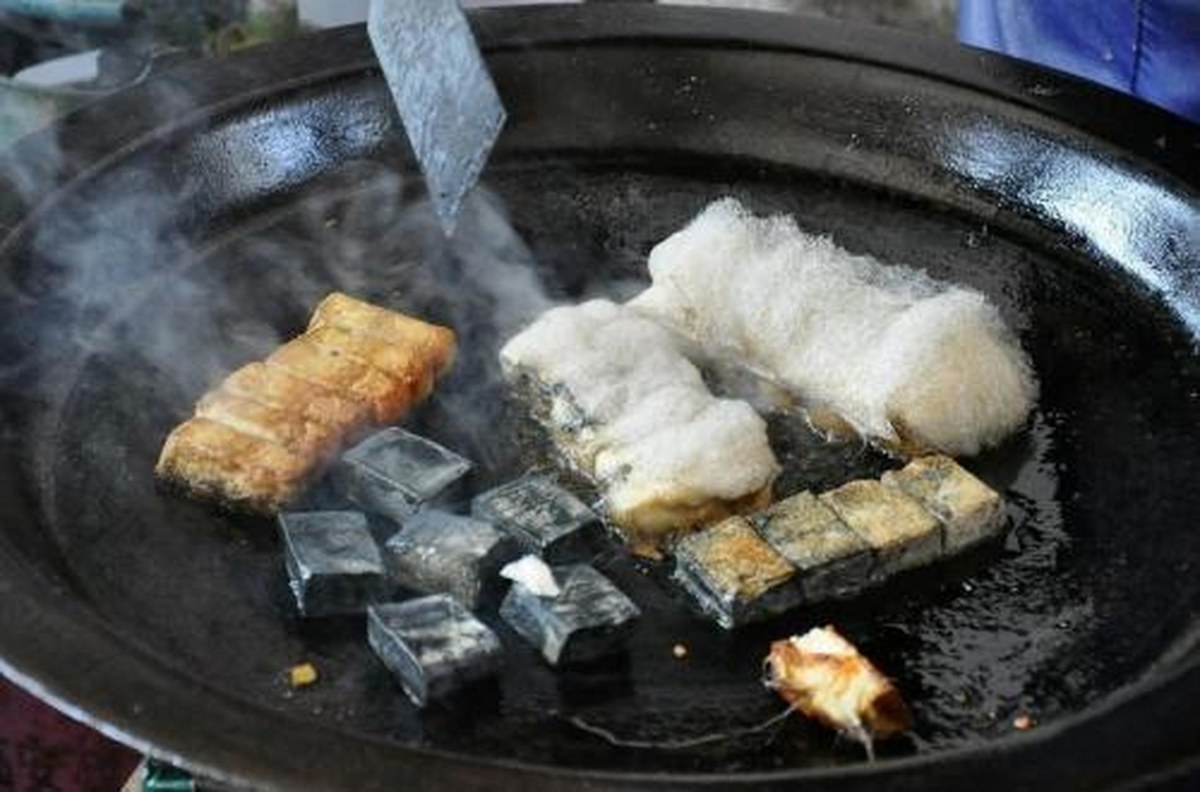
A slab of tofu wearing a coat of white fur, seared on an oiled griddle until the fuzz melts into a blistered shell and the inside turns to warm custard — Anhui's strangest, best street snack.
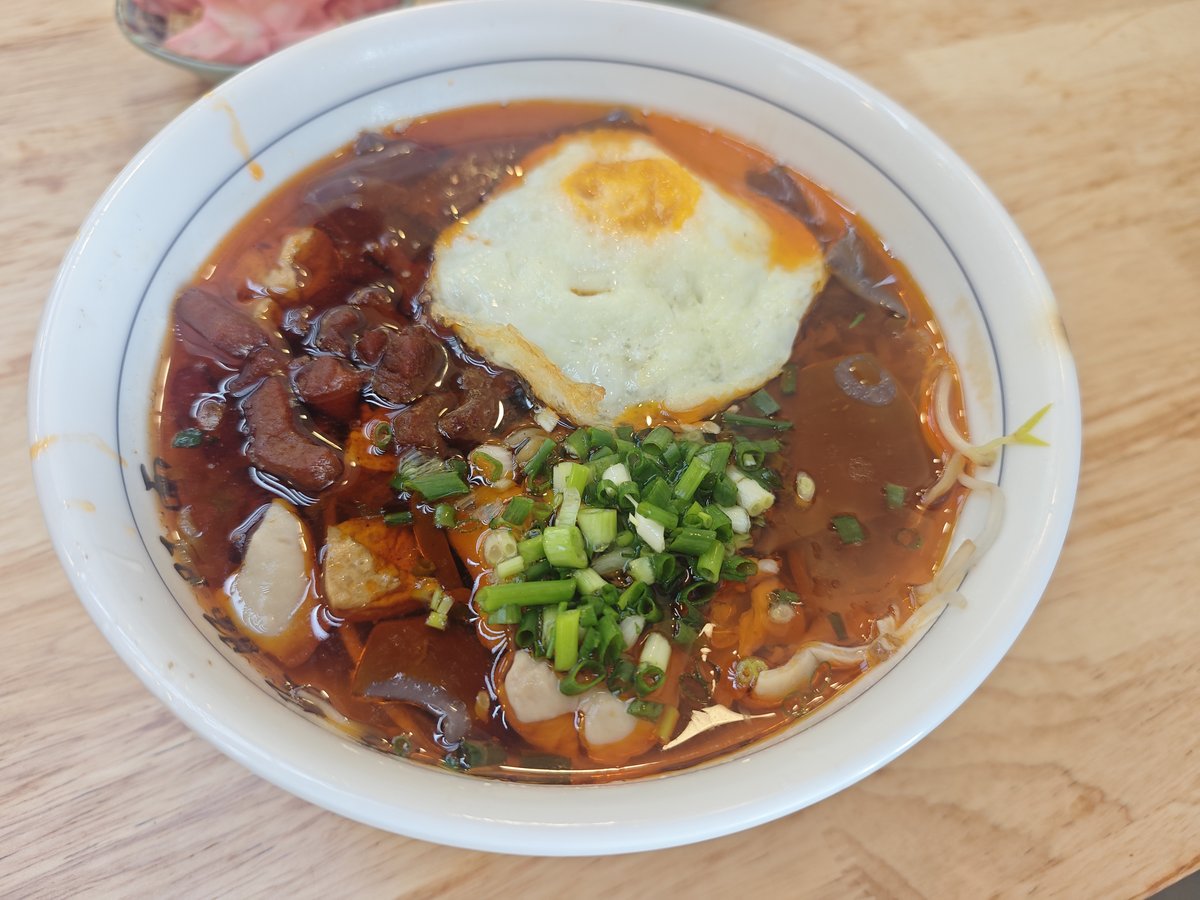
Six in the morning in Guiyang: a bowl scarlet with pounded chili oil, silken cubes of congealed blood and hours-braised pork intestine, crowned with cracklings that shatter between your teeth.
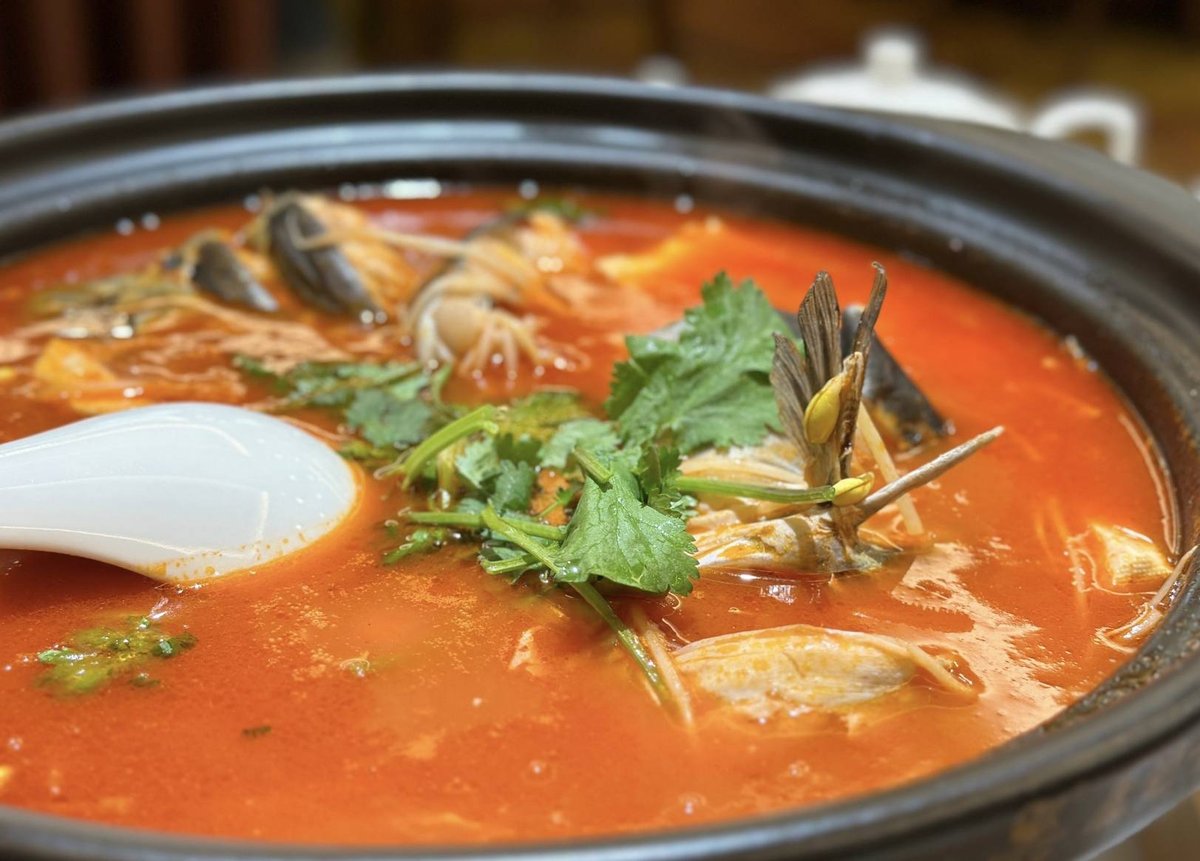
A pot of tomato-red broth comes to the table still bubbling, smelling of fermented fruit and mountain citrus — and the sourness lands at the back of your throat, because nothing in this soup ever came from a vinegar bottle.
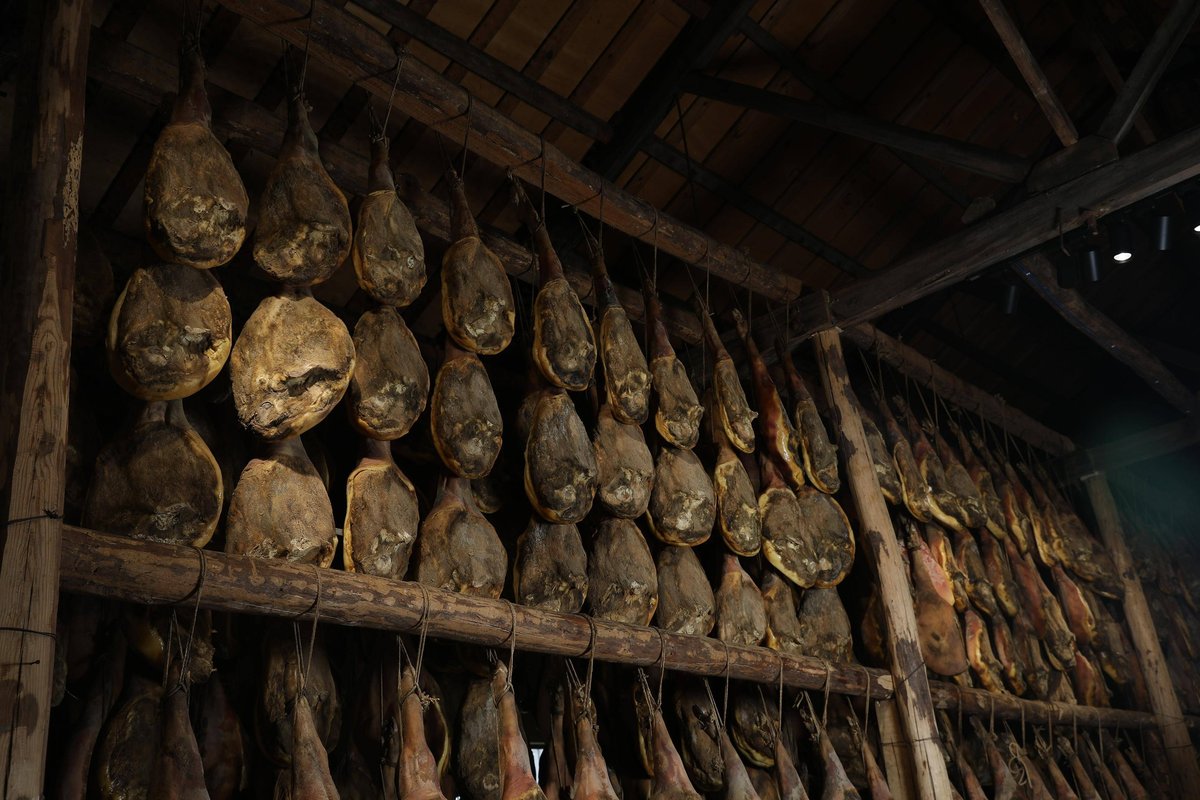
A whole black-pig leg rubbed with nothing but salt and left to hang in a cold Yunnan loft for three years — until it turns deep garnet, smells of nuts and aged butter, and can be eaten raw.
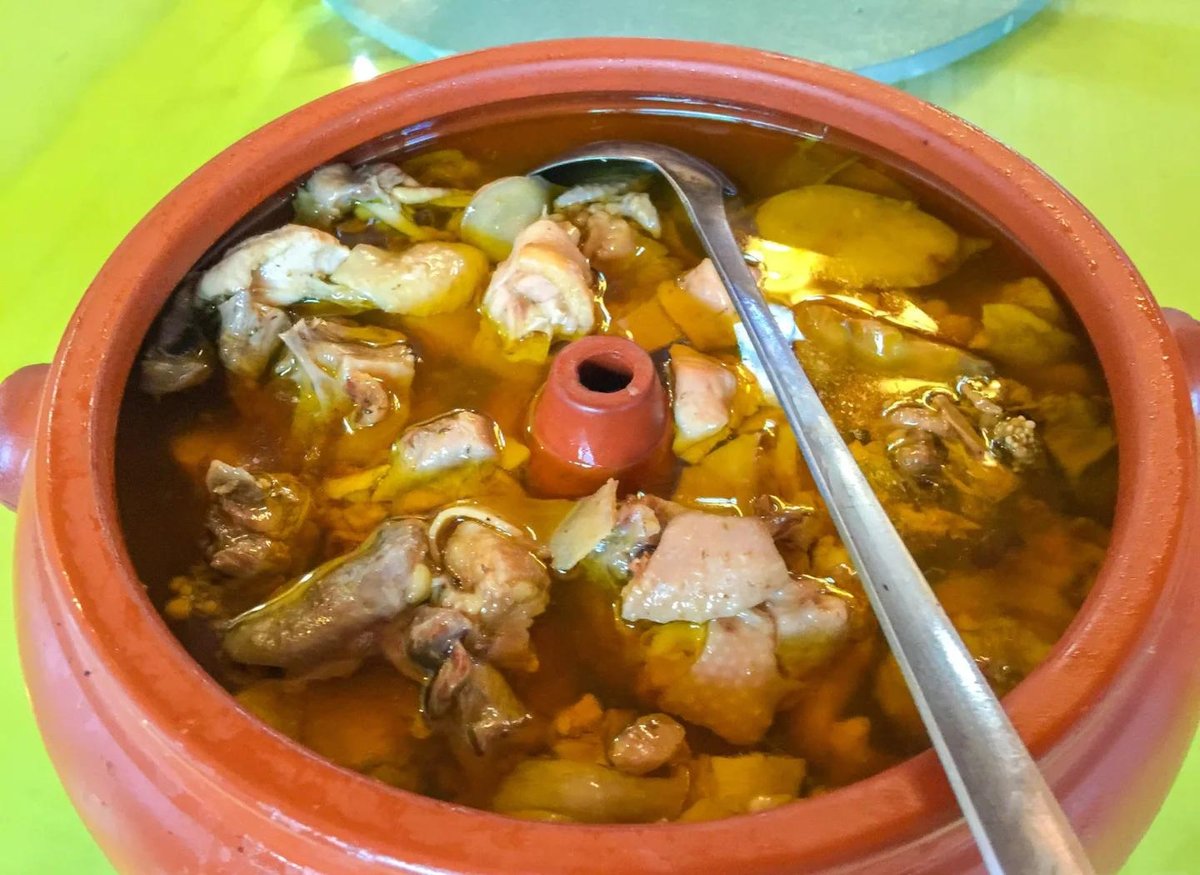
A Yunnan clay pot with a chimney down the middle, a whole chicken, and no water at all. Four hours of steam later, it hands you the clearest chicken soup in China — gold, sweet, and made entirely of itself.
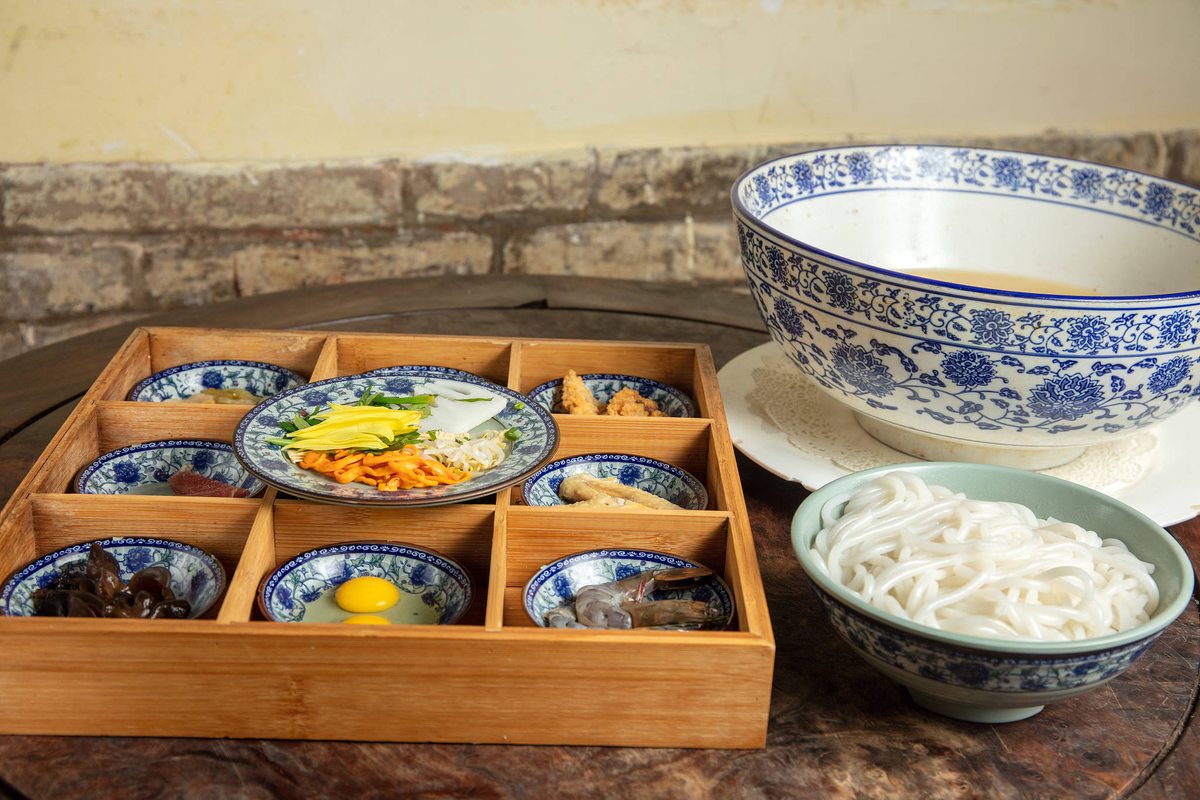
A bowl of broth so still it looks cold, a lid of chicken fat holding the heat under the surface, and ninety seconds at your own table to cook raw pork, quail egg and rice noodles.
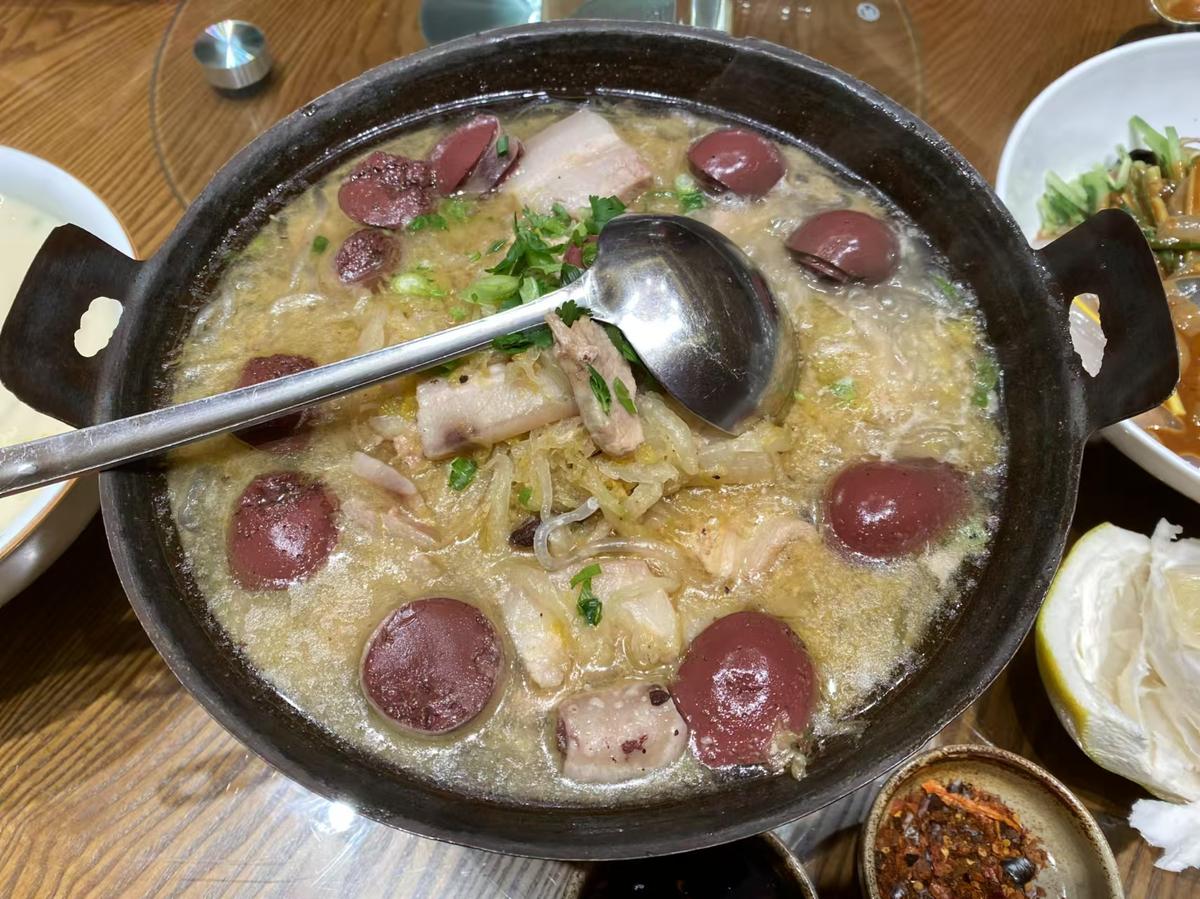
Napa cabbage left to ferment cold for a month, then simmered with paper-thin pork belly until the broth turns milky and sour — the dish that carries a Dongbei family from the first snow to the thaw.
Six tea types, a thousand mountains, rituals that turn leaves into ceremony

The cheapest tool on the table and the one you notice only when it is gone. Why Chinese tea breaks into dust, and how to match the mesh to the leaf.

The tray is the one piece of teaware built to get wet. Why wet and dry brewing need different boards, what the slats drain, and four rules for buying one you will keep.

Chinese tea comes in a cup the size of a walnut, and that is not stinginess. Why the tasting cup is small on purpose, what its shape does to aroma, the three-sip rule, and the Taiwanese habit of smelling the empty cup instead of the full one.

The first pour from a gaiwan is stronger than the last, so serving straight into cups quietly hands four people four different teas. What the gongdao bei fixes, and why every Chinese tea table has one.

The piece of teaware nobody thinks about — why a thin spout beats a fat one, what silver and cast iron actually do to water, and the four rules for the kettle you already own.

A brewed cup is 99 percent water — what hardness does to the leaf, why the same Longjing tastes different in two cities, and the one change worth making first.
Baijiu, huangjiu, and everything else China drinks — one bottle at a time

In Shaoxing a family brews a jar of huangjiu the winter a daughter is born and digs it up at her wedding. What eighteen years under the ground does to the wine, why the jar is half the recipe, and how to spot a red gift box that is three years old with caramel color in it …

In Foshan, rice spirit ages with a slab of pork fat in the jar. At 29 percent, faintly savoury, drunk with dim sum at eight in the morning …

China's oldest alcohol is fermented, never distilled, and drunk warm from a bowl of hot water. Three thousand years of amber wine, why the poems were written over it, and why it never crossed the ocean …

Chinese alcohol all begins the same way: grain and qu, a mold starter. Then it splits — ferment it for huangjiu and rice wine, distill it for baijiu …

The four digits on the back label tell you what is actually in the bottle. How to read a baijiu standard number, what 100 to 300 yuan really buys …

Moutai, Wuliangye and Guojiao 1573 side by side on one table. How to smell baijiu, where the burn comes from, what finish means …
AI · Programming · Tools · Automation · Indie Hacking
Paste the link into Feedly, Inoreader, NetNewsWire, Reeder, or any RSS reader.